How to do Banff without a rental car: where it works, where it gets fragile, and which day shapes still feel good when transit is the whole plan.
Never been beforeNo-rental-car tripsShort staysDowntown stays
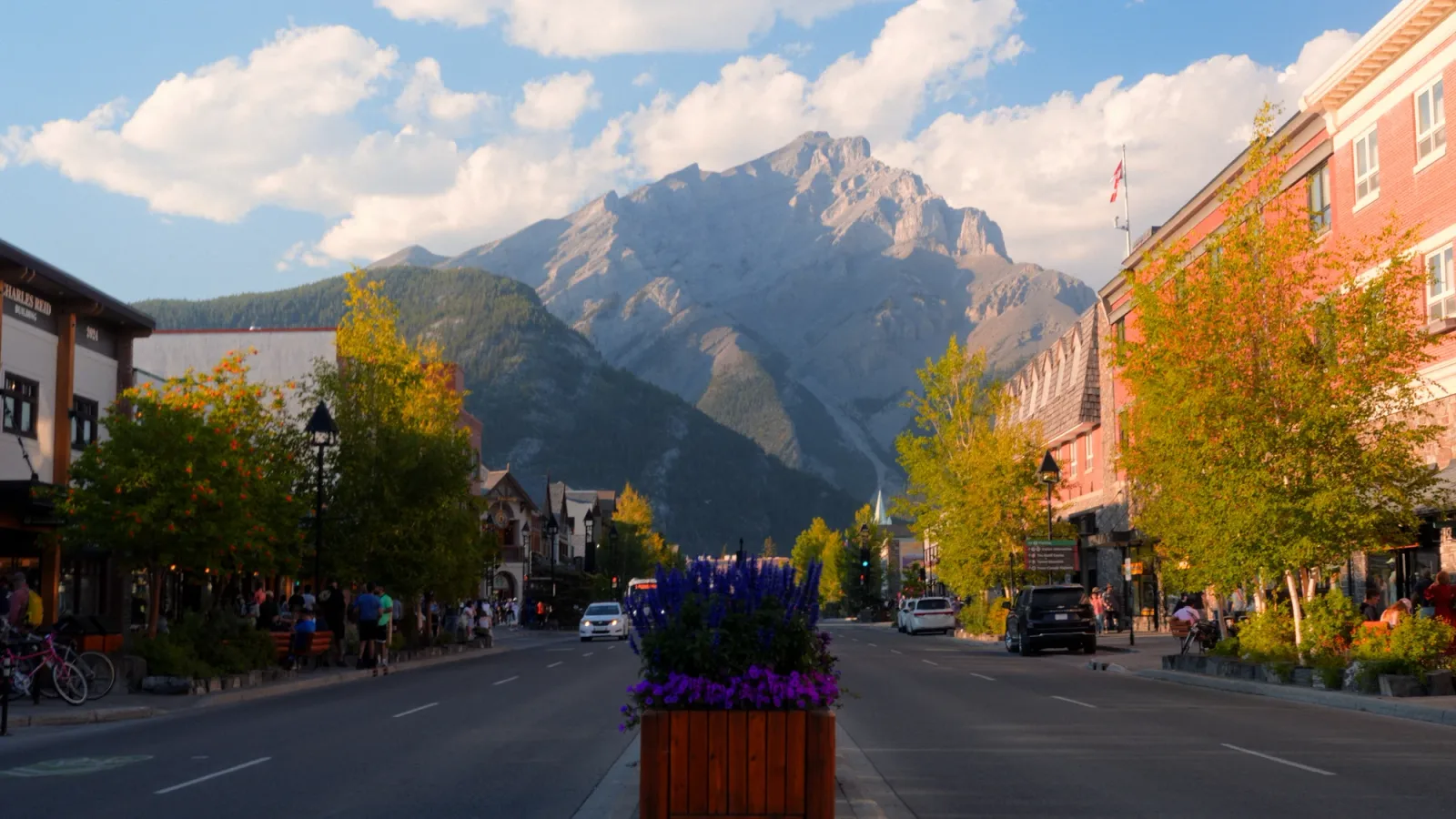
A walkable town base makes car-free days work.Photo: Cody Gray
Updated August 27, 2026By the Banff.tips editorial teamWritten for real visits. Double-check anything time-sensitive before you go.
Check before going
Transit service, lake access rules, and shuttle reservation windows can change by season. Confirm the current route and booking details before building a no-car day around them.
Bottom line
Banff without a car is good when the plan is smaller, not weaker.
Start from a walkable base, build around one real corridor, and keep the backup close. The problem is not transit itself. The problem is pretending a no-car day should move like a rental-car day.
Simplest planStay downtown, add one transit leg only if it clearly improves the day, then eat near where you finish.
01
Read this first
The honest answer
Banff works without a car when you stop trying to recreate a road trip by bus.
The winning shape is one walkable base, one useful transit corridor, and one backup that still works if a route is full, late, or not worth the hassle.
If the day already looks tight on paper, it will feel worse with weather, hunger, and a return ride to catch.
Details can change quickly — check before going.
Park admission/pass status: Parks Canada lists free admission through September 7, 2026 and regular admission from September 8. Outside a free window, admission remains separate from transit fares unless an operator clearly includes it.
Location parking fees: Parking pressure is part of why this guide recommends transit, but this guide should not be used as a live parking source.
Transit/shuttle reservations: Lake Louise, Moraine Lake, and some summer routes can require reservations or have seasonal service windows.