Car-free planning · 8 分钟

Banff without a car

How to do Banff without a rental car: where it works, where it gets fragile, and which day shapes still feel good when transit is the whole plan.

Never been beforeNo-rental-car tripsShort staysDowntown stays
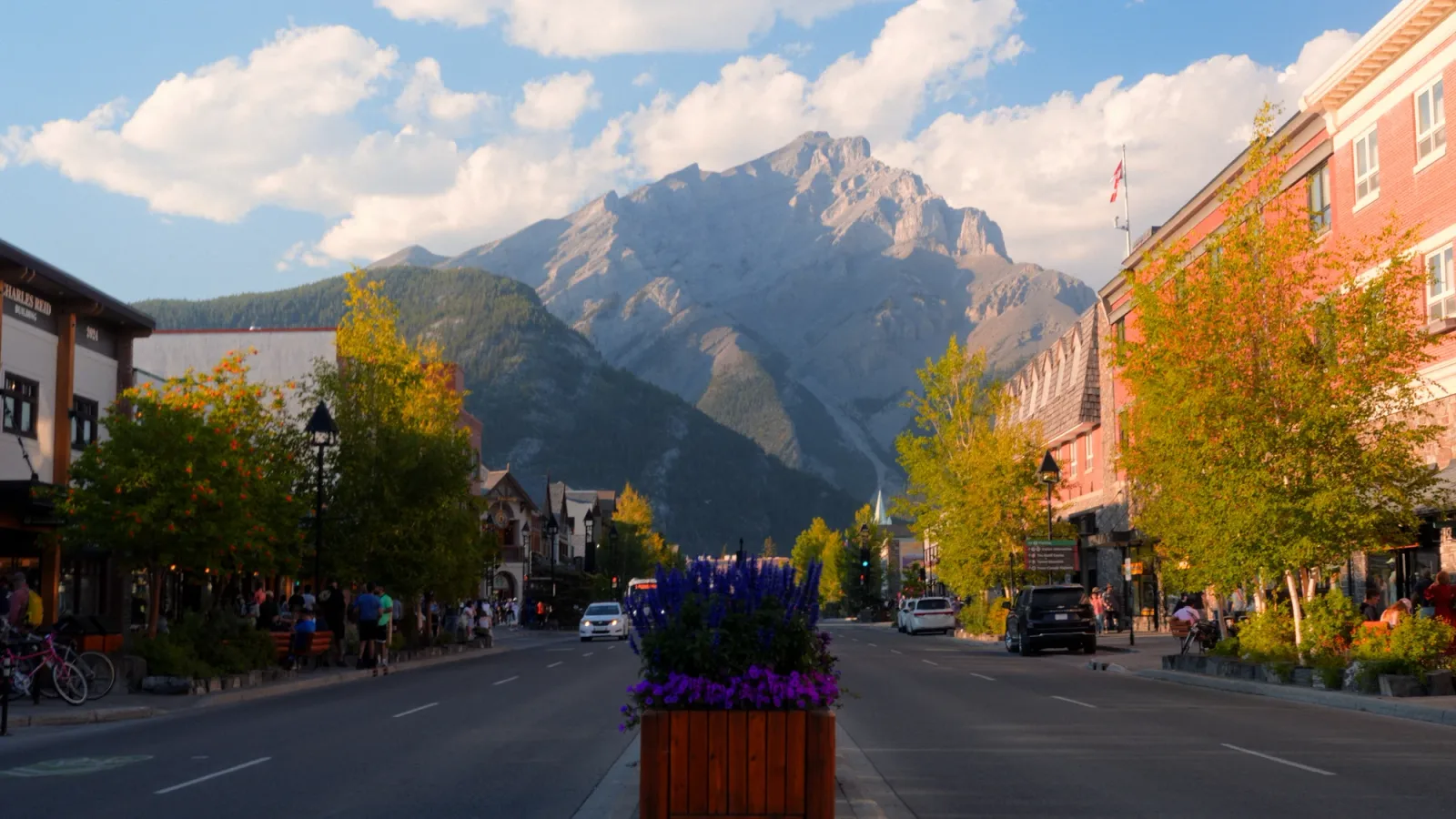
Banff Avenue framed by autumn trees with Cascade Mountain beyond.
A walkable town base makes car-free days work.Photo: Cody Gray
更新 2026年8月27日 Banff.tips 编辑团队 编写按真实到访整理。时间敏感信息出发前请再次确认。

出发前确认

Transit service, lake access rules, and shuttle reservation windows can change by season. Confirm the current route and booking details before building a no-car day around them.

重点

Banff without a car is good when the plan is smaller, not weaker.

Start from a walkable base, build around one real corridor, and keep the backup close. The problem is not transit itself. The problem is pretending a no-car day should move like a rental-car day.

最简单的安排Stay downtown, add one transit leg only if it clearly improves the day, then eat near where you finish.

先读这里

The honest answer

  • Banff works without a car when you stop trying to recreate a road trip by bus.
  • The winning shape is one walkable base, one useful transit corridor, and one backup that still works if a route is full, late, or not worth the hassle.
  • If the day already looks tight on paper, it will feel worse with weather, hunger, and a return ride to catch.

Travel rules can change quickly — check before booking.

  • Park admission/pass status: Parks Canada lists free admission through September 7, 2026 and regular admission from September 8. Outside a free window, admission remains separate from transit fares unless an operator clearly includes it.
  • Location parking fees: Parking pressure is part of why this guide recommends transit, but this guide should not be used as a live parking source.
  • Transit/shuttle reservations: Lake Louise, Moraine Lake, and some summer routes can require reservations or have seasonal service windows.
详细说明

到达后

Pick the right kind of day

  • Town-first day: Banff Ave, Bow River, food, shops, and one close cultural stop. Best for arrival days, mixed-energy groups, and bad weather.
  • Sulphur corridor day: Route 1, then Banff Gondola and Upper Hot Springs only if visibility and current operation make sense.
  • Lake day: commit to the transport product first, then let the lake be the main event instead of a side quest.
  • Cave and Basin side: slower, lower-friction, and much easier to save if weather changes.

How to use Roam without making the day annoying

  • Choose the return first. That one decision protects the rest of the day.
  • Keep meals near the route you are already using. A slightly better restaurant across town is rarely worth the extra transfer.
  • Treat any seasonal or reservation-heavy route as the main plan, not a bonus stop.
  • Start from obvious stops you can find easily again later, especially Banff High School Transit Hub or the downtown core.

What no-car visitors usually get wrong

  • Trying to do Lake Louise, Moraine Lake, Johnston Canyon, and dinner in one car-free day.
  • Crossing town repeatedly for food instead of eating where the route already leaves you.
  • Assuming a route is running because it existed on last year's blog post or screenshot.
  • Treating a packed transit day as a failure when the better move is to shrink the plan and enjoy the town core properly.

The easy pairings that usually work

  • Town core plus Bow River plus dinner: lowest friction, easiest first-day win.
  • Gondola corridor plus hot springs plus town dinner: best when the sky is clear and the group wants one paid anchor.
  • Rainy town day: Cave and Basin or museum, long lunch, then cinema, bowling, or an early dinner.
  • Lake day: transport first, lake second, simple evening after. Do not add a heroic second act.

避坑

常见错误

这些问题在游客提问里反复出现。提前看一眼,就很容易避开。

  • Using transit like a scavenger hunt.

    No-car Banff gets worse every time you add another stop just because it fits on paper.

  • Saving food for later.

    When a transit day runs long, a nearby meal beats a perfect meal across town.

  • Treating the town core like the compromise.

    For short stays, the town core is often the right main plan, not the backup.

出发前

准备和安排

  • Current route or reservation product checked

  • Return option chosen before leaving

  • Weather and visibility checked for paid view stops

  • Meal area chosen near the route

  • Backup plan stays close to town or the same corridor

常见问题

游客常问

接着看

发现哪里不对? 建议修改

需要本地帮助?游客中心

保持联系

订阅每周班夫简报

想收到每周班夫简报?发邮件给我们,我们会把你加进早期名单。

发邮件订阅