Wildlife distance rules, closures, and emergency guidance can change. Check current park safety guidance before heading out.
重点
实用答案
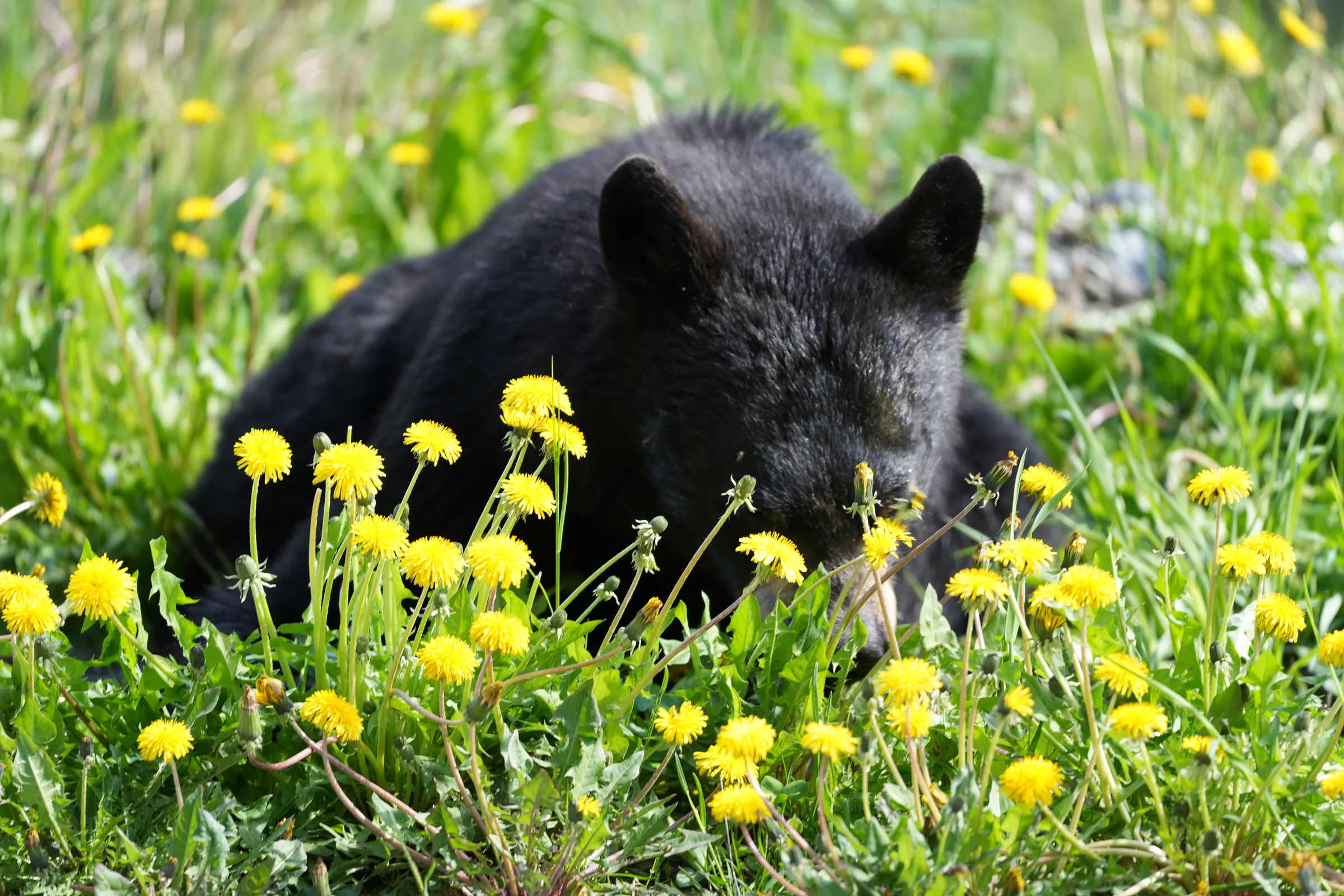
Keep 100 m (about 10 bus lengths) from bears, cougars, wolves, and coyotes. Keep 30 m (about 3 bus lengths) from elk, moose, deer, sheep, and goats.
01
先读这里
Best answer
Carry bear spray on every trail. Keep it accessible — not buried in your pack — and know how to use it before you need it.
If a trail is closed for a wildlife reason, the closure is the plan. Pick the next-best hike rather than going around the sign.
Details can change quickly — check before going.
Park admission/pass status: Wildlife rules apply across all park areas regardless of pass type. Day visitors and overnight guests follow the same distances.
Location parking fees: Roadside stopping for wildlife is restricted on many corridors. Pull-outs are the only legal place to stop in most of the parkway.
Transit/shuttle reservations: Roam and Parks Canada shuttles will not stop for wildlife sightings — plan around the schedule, not the animals.
Parks Canada sets 100 m for bears (black or grizzly), cougars, wolves, and coyotes; 30 m for hooved animals like elk, moose, deer, and bighorn sheep.
Calving elk in May–June are unusually aggressive. Mothers will charge if you stand between them and a calf.
During the fall rut, bulls can be loud, present in town, and dangerous up close.
Parks Canada's August 28, 2026 elk-rut advisory is valid through October 31, 2026. Stay at least 30 m away, never park between a bull and its herd, and keep dogs leashed.
If an animal changes its behaviour because of you, you are too close. Back away — never run.
03
安排细节
Bear spray basics
One canister, on your hip or chest strap, every hike. Sharing a spray that lives in someone else's pack is the same as not having one.
Check the expiration date before the trip. Replace expired cans — pressure drops over time even if it looks fine.
Read and follow the directions on your own can before the trip. Wind, rain, spray distance, and shelf life can all change how the product works.
Airline and carrier rules vary and can prohibit bear spray. Check the exact carrier before travel; buying or renting locally is the safer fallback when transport rules are unclear.
04
安排细节
On the trail
Make noise in dense brush and on blind corners — voice works better than bells.
Travel in a group when you can. Solo hikers in bear country are statistically more likely to surprise an animal.
Dawn and dusk are higher-risk windows for predators. If you are out then, be louder, not quieter.
Keep food, snacks, and scented items sealed. Don't bury anything organic — even fruit peels.
05
安排细节
Roadside sightings ('bear jams')
Stay in your car. Animals tolerate vehicles better than people on foot.
Pull fully off the road if there's a safe shoulder. Do not stop in driving lanes.
Never feed, lure, or call out to wildlife. A fed animal is on its way to being a destroyed animal.
Move on within a minute or two. The more people stop, the more habituated the animal becomes.
06
安排细节
If you see a bear at close range
Stop. Stand tall and visible. Speak in a calm low voice so the bear knows you're human.
Back away slowly the way you came. Don't turn your back. Don't run.
Ready your bear spray with the safety off. Most encounters end here.
If the bear is defensive — surprised, feeding, protecting young, vocalizing, or agitated — use bear spray if it keeps coming. If it makes contact, lie face-down, hands behind your neck, legs spread, and stay still until it leaves.
If the bear appears non-defensive or predatory — intent on you, following, stalking, or attacking at night — do not play dead. Use bear spray and fight back if you cannot escape to shelter.
07
安排细节
Emergencies and reporting
Park dispatch (24/7): 403.762.1470. Use this for wildlife incidents, aggressive animals, or injured wildlife.
Life-threatening emergencies: 911. Cell coverage is spotty — know your dispatch number before you lose signal.
Reporting matters: dispatch uses sightings to plan closures and warnings that keep the next group safe.
常见问题
游客常问
How far should I stay from wildlife in Banff?
Keep 100 m from bears, cougars, wolves, and coyotes, and 30 m from elk, moose, deer, sheep, and goats. If an animal changes its behaviour because of you, you are too close.
Do I need bear spray on easy Banff trails?
Yes. Carry bear spray on every trail, keep it on your hip or chest strap, and know how to use it before you need it. A can buried in someone else's pack is not useful in a close encounter.
What should I do at a roadside wildlife sighting?
Stay in your vehicle, pull fully off the road only where it is safe, never feed or call to the animal, and move on quickly. Roadside sightings become dangerous when people leave cars or block traffic.